Published by Team Tunupa / August 6, 2026
In the Andes, corn is not only eaten: it is also drunk. Since Inca times, chicha has accompanied festivals, communal work, rituals and family gatherings. Today in Cusco you can still find traditional chicherías and taste one of the oldest drinks in the Americas.
Here are the most iconic chichas and their story.
Chicha de jora: the drink of the Incas
The Incas called this fermented corn drink aqha. It was brewed in large quantities for ceremonies and offered to the Sun, the mountains and the Pachamama. At festivals, sharing it was a way to seal alliances and give thanks.
Jora is sprouted corn dried in the sun. It is ground, boiled for hours and left to ferment in clay vessels. The result is a smooth, slightly sour drink with little alcohol.
Frutillada: the taste of Cusco
In Cusco, chicha de jora is mixed with fresh strawberries to make frutillada, pink in color and sweet in flavor. It is the signature drink of Cusco’s chicherías, especially during strawberry season.
Traditional chicherías are recognized by a pole with a red bag or cloth at the door, signaling that fresh chicha is available.
Chicha morada: alcohol-free and for everyone
Chicha morada is a different story: it is not fermented. It is made by boiling purple corn with pineapple peel, quince or apple, cinnamon and cloves. Then it is sweetened and finished with lime.
It is refreshing, deeply colored and found on almost every Peruvian table. Purple corn is rich in antioxidants, which makes it even more appreciated.
August, the month of the Pachamama
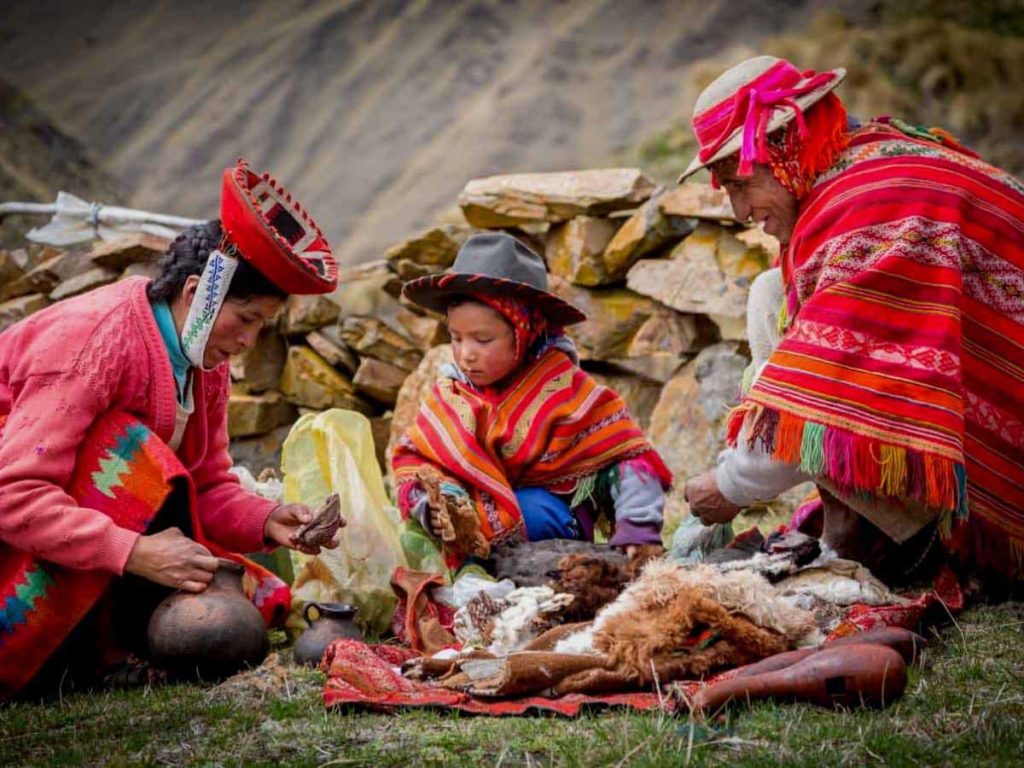
In August, when the land rests before planting, earth offerings are made across the southern Andes. Chicha is an essential part of the ritual: before drinking, a few drops are poured on the ground as an offering. This gesture, called ch’alla, is still alive in many Cusco homes.
Andean drinks at Tunupa
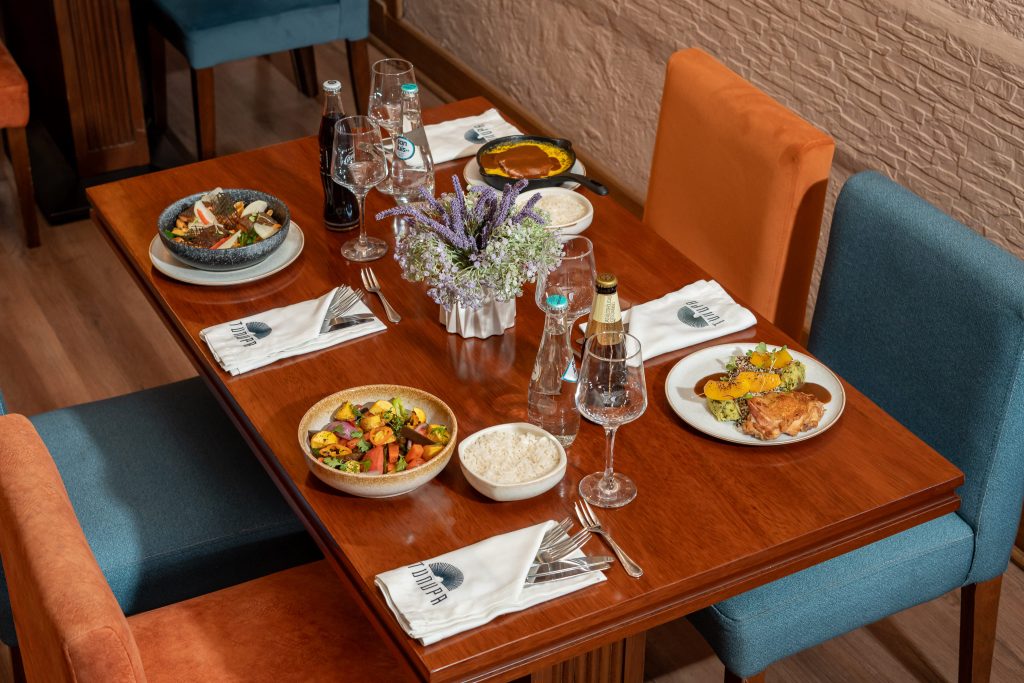
At Tunupa we serve chicha morada made the traditional way, perfect alongside our dishes. And if you want to understand the ritual meaning of chicha, our earth offering ceremonies in the Sacred Valley will bring you closer to this tradition.
Conclusion: corn you raise a glass with
Chicha is much more than a drink: it is a way of sharing and giving thanks that goes back thousands of years. Tasting it in Cusco is toasting with the history of the Andes.
And remember: first, a few drops for the Pachamama.
