Published by Team Tunupa / November 25, 2025
The power of change beneath the Apus
In Cusco, New Year is not measured only in fireworks or clocks: it is measured in energy. Here, every change of cycle is an ancestral ceremony. The mountains, the Apus, guardian spirits of the Andes, watch from above while Taita Inti, the sun, lights up the last days of December, reminding us that everything is reborn, that time does not end: it transforms.
When December 31 arrives, the streets of the historic center fill with life. Yellow and gold flood balconies and clothes, flower stalls overflow with sunflowers and rue, and laughter echoes among the Inca stones. But unlike other cities, the celebration here is not about excess but about spiritual renewal. New Year in Cusco is a bridge between Andean faith and modern hope: a ritual of fire, water and gratitude.
At Tunupa, we experience it every year as an offering to the earth, a meeting of flavors, music and energy. The Valley and the city become stages where nature and soul embrace to welcome the new cycle with respect and joy.
New Year on Cusco’s Plaza de Armas
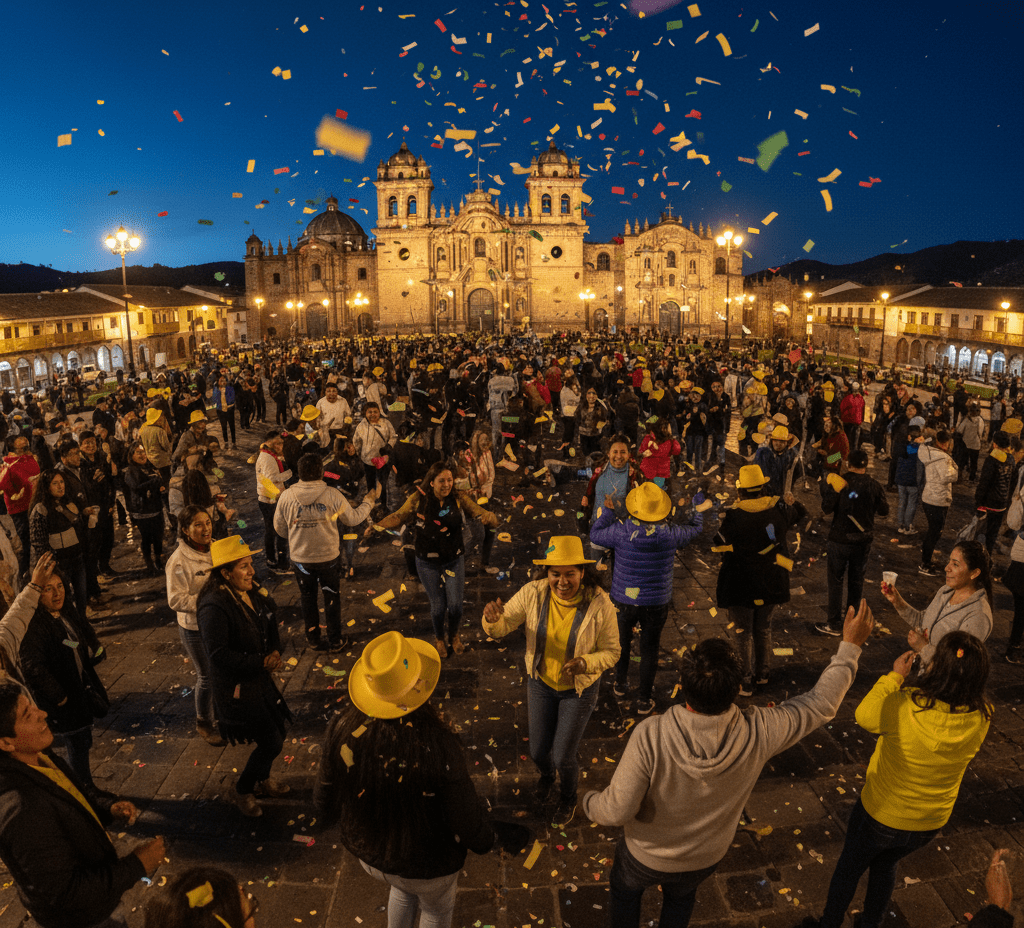
On the night of December 31, Cusco’s Plaza de Armas becomes a huge celebration stage. Thousands of people, travelers, families, locals and visitors, gather under the starry sky to say goodbye to the old year and welcome the new one. As midnight approaches, the atmosphere becomes electric. Music plays from the balconies, local bands play huaynos and marineras, and the whole town dances with endless smiles.
At midnight comes one of the most beloved traditions: people run around the plaza, often carrying suitcases, to symbolize the trips and opportunities to come. Others light candles, throw flowers or scatter yellow petals to attract prosperity. The Cusco sky lights up with fireworks that, reflected on the stone façades, seem to greet the Apus surrounding the city.
At that hour, the air smells of incense, wine and fire. Families toast with pisco, couples embrace and the whole city vibrates with an energy beyond the visible. This is how the year ends in the heart of the Inca Empire: among stone, music and hope.
Andean rituals of renewal and prosperity
In Cusco, New Year is not limited to the clock. It is a spiritual ceremony. Families and communities perform small rituals of gratitude and energy cleansing that come from ancestral times, inherited from Inca sages and reinterpreted over the centuries.
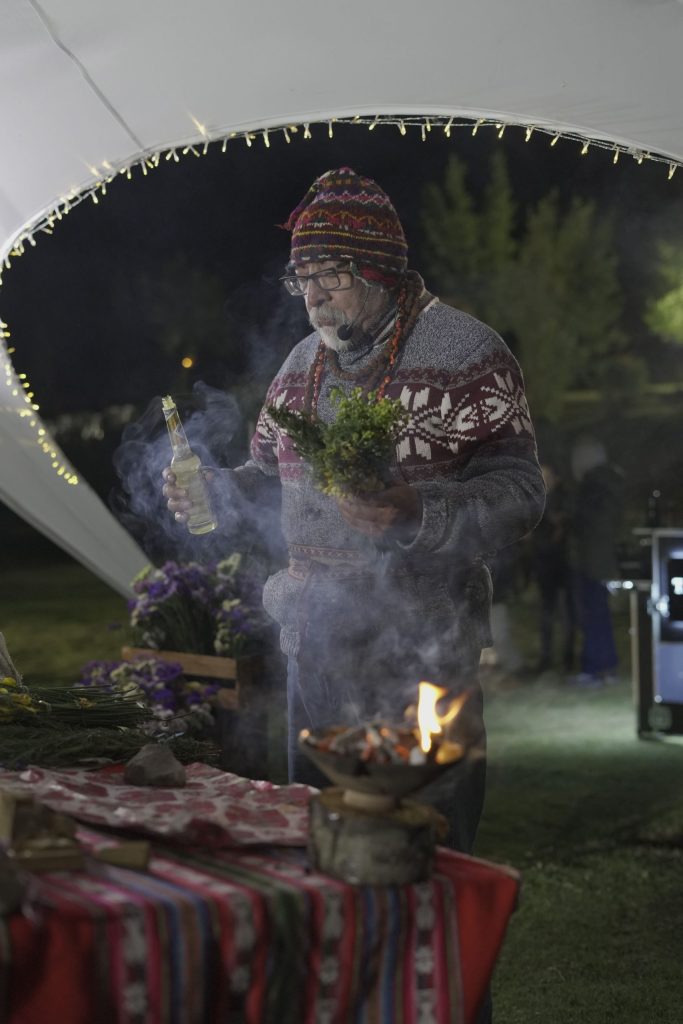
One of the most important is the Earth Offering, a tribute to the Pachamama to give thanks for the year lived. Flowers, corn kernels, coca leaves, sweets, fruit and chicha are placed on a colorful cloth. Each element has a meaning:
- Coca represents wisdom.
- Corn, abundance.
- Flowers, the beauty of life.
- Fire, transformation.
When the ritual ends, the offering is buried or burned as a symbol of rebirth. The smoke rises to the Apus carrying wishes and promises for the new cycle. It is an act both intimate and collective, a reminder that all prosperity comes from balance with nature.
Others prefer to begin the year with a flowering bath, immersing themselves in water with flowers and herbs such as rue, rosemary and yellow petals. Besides purifying the body, this bath is considered a call to good energy, love and health. In many hotels and homes in the Sacred Valley, these rituals take place at dawn, when the first ray of sun touches the skin and renews the spirit.
Flowering baths and bonfires in the Valley
While the city celebrates with lights and music, the Sacred Valley of the Incas offers a completely different experience: quiet, spiritual and deeply moving. There, among rivers and mountains, the New Year is welcomed with the sound of water, birdsong and the crackling of fire.
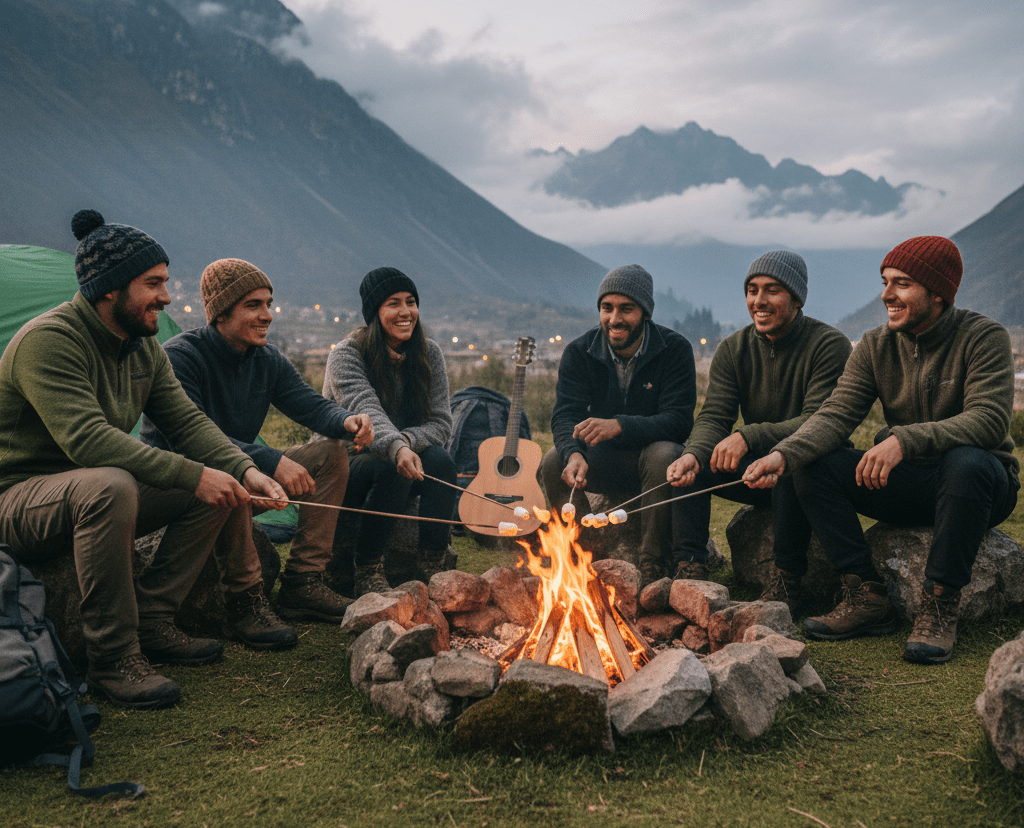
In the communities of Urubamba, Yucay and Ollantaytambo, families gather around bonfires lit in the fields. Fire represents purification, the light that guides the paths of the coming year. Every flame is a wish, and every spark, a promise. Around it, people dance, sing in Quechua and share chicha and freshly baked bread.
At Tunupa Sacred Valley, this spirit is lived intensely. Our terrace is lit with torches that reflect the starry sky, and traditional music accompanies dinner while guests take part in a small symbolic ritual: writing a wish on a piece of paper, placing it by the fire and letting the wind carry it away.
It is not only about asking, but about giving thanks. Because abundance, in the Andean view, is not having more, but valuing what you already have. Every glass raised and every shared dish is a tribute to the cycle that ends and the one that begins.
Tunupa: flavors that open new paths
At Tunupa, we believe the best way to celebrate life is through flavor. That is why New Year at our tables brings together contemporary Andean cuisine and ancestral tradition.
Our chefs prepare a special menu inspired by the symbols of rebirth:
- Corn: the sacred food of the Andes, a symbol of abundance and unity.
- Native potato: root of the earth and living memory of the people.
- Sacred Valley trout: freshness and purity, water as an element of renewal.
- Golden quinoa and ají mirasol: strength, energy and balance.
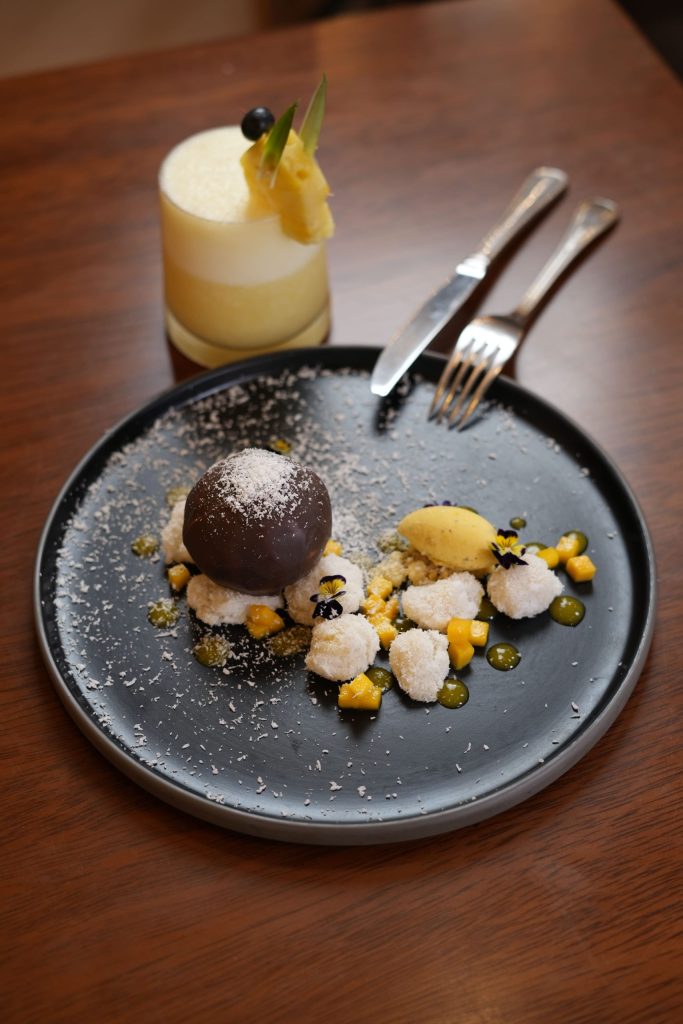
- Andean cacao chocolate and high-Andean fruits: the sweetness of the new cycle.
Every dish tells a story and every bite is an invitation to look ahead without forgetting where we come from. The aromas, textures and colors of the menu create a sensory experience that celebrates life in all its forms.
While guests enjoy dinner, traditional music plays: charangos, violins, panpipes. The night goes on and, at midnight, the restaurant lights dim for a moment of silence and connection. The sound of the Urubamba River accompanies the toast and, for an instant, everything seems to stop. Only the wind can be heard.
And in that silence, everyone understands what it means to be alive.
The Sacred Valley and Cusco: two souls, one spirit
Those who spend New Year in Cusco and the Sacred Valley discover two ways of celebrating that complement each other like day and night.
In Cusco city, the energy is contagious. People dance in the streets, travelers mingle with locals and colonial churches glow under the fireworks. It is a celebration of community, of history, of pride in belonging to a sacred land.
The Sacred Valley, instead, offers stillness. Here the celebration is lived in silence and gratitude. The stars seem closer, the mountains wiser and the sound of the river deeper. It is a celebration of the soul, of connection with what matters, of gratitude to the Pachamama.
But in both places, city and valley, the same invisible thread ties all the celebrations together: faith in life. The certainty that each year brings new opportunities, and that each sunrise is a reminder that we are still here, growing, learning and sharing.
Tips for celebrating New Year in Cusco
If you plan to ring in the New Year in Cusco or the Sacred Valley, here are some tips to live it like a true local:
- Wear yellow or gold: in Andean tradition, these colors attract the energy of the sun and abundance.
- Bring flowers and coca leaves: they are offerings of respect and gratitude to the Pachamama.
- Try local flavors: oven-roasted suckling pig, tamales, trout, toasted corn and chicha morada are a must.
- Do a small ritual of gratitude: write down your wishes or thoughts and offer them to the fire.
- Avoid excess: in the Andes, celebration is spiritual; life is honored, not worn out.
Wake up early on January 1: watch the sunrise from a high point, such as Sacsayhuamán or Pisac. It is said that the first ray of the year cleanses the soul.
The dawn of a new cycle
When the sun rises again over the Andes, Cusco wakes up quiet and calm. The streets that were full of music and joy just hours before now breathe peacefully. Church bells ring softly, the first markets open and families gather again to share the first breakfast of the year: fresh bread, coffee and conversation.
In the Sacred Valley, sunrise is a spectacle. The sun’s rays caress the misty hills and the river shines like a mirror. It is the moment when everything begins again. Seeds will sprout again, mountains will protect again and hands will work the land again. The cycle is renewed, and with it, the promise of walking on together.
Conclusion: the fire that never goes out
New Year in Cusco is not just a date; it is an experience that marks the soul. It is a celebration that reminds us we are part of something bigger: the earth, the sun, the mountains, the community. At Tunupa, every year-end celebration is a chance to honor that deep connection between people and their surroundings.
As the oven fire keeps burning and the music of the valley mixes with the wind, we know the new cycle begins full of promise. Promises to share, to care and to give thanks. Because here, in the heart of the Sacred Valley, the fire of the Andean spirit never goes out. It only transforms, burning with the light of each new dawn.
