Published by Team Tunupa / November 25, 2025
When the rain wakes the earth
There is a time of year when Cusco breathes differently. The sky darkens for a moment and then bursts open with water that cleanses, nourishes and renews. It is the Andean summer, the rainy season, when the sacred city dresses in deep green and the Sacred Valley blooms under the blessing of Taita Inti.
Far from being an obstacle, rain in Cusco is a celebration. Every drop carries the spirit of the Pachamama, Mother Earth waking up again. The hills turn green, rivers rise, crops sprout and the air fills with fresh scents: tender corn, wildflowers, damp earth.
Traveling to Cusco in summer means discovering a different face of the imperial city. Not the Cusco of crowds, but the intimate, authentic Cusco that locals live calmly and gratefully. The one that teaches that rain does not interrupt the path, but washes it clean to begin again.
Rainy season: the fertile soul of the Andes
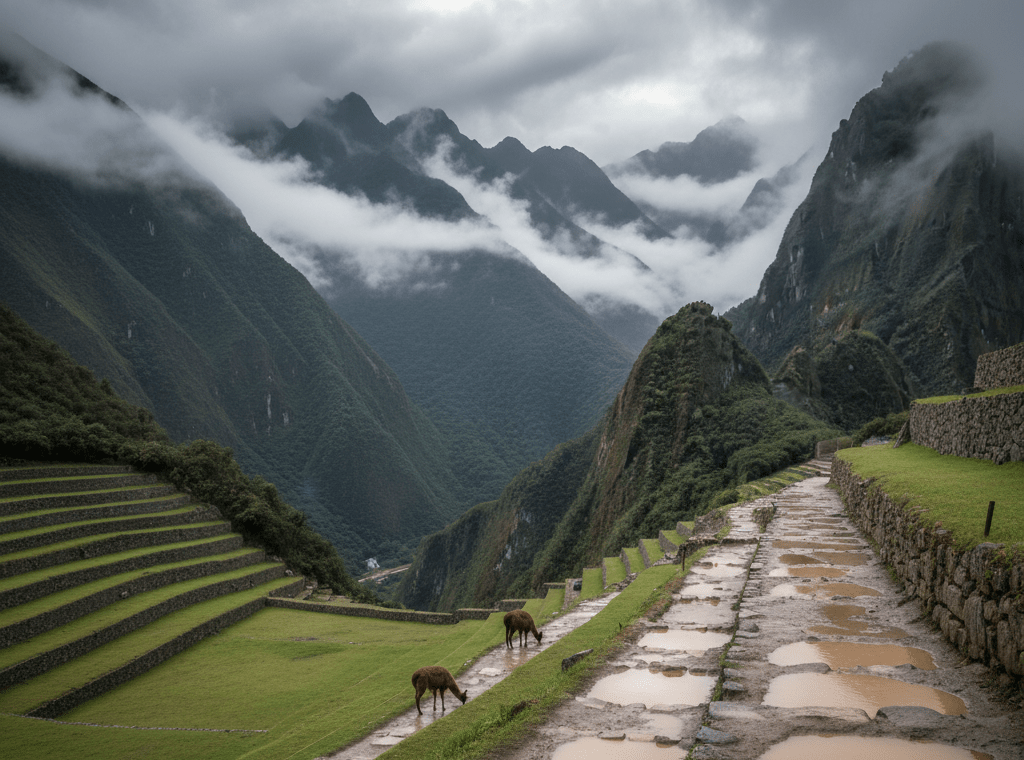
From December to March, the Andes are transformed. Mist-covered mountains seem to breathe, and the landscape takes on emerald, ochre and golden tones. It is a time of rain and planting, when the earth prepares for the harvest to come.
In the towns of the Sacred Valley, farmers work from dawn. The soil becomes soft and fertile, perfect for receiving the seeds of corn, quinoa, oca and tarwi. Women in wide-brimmed hats walk between the furrows singing old planting songs in Quechua. Their voices, soft as the rain, are prayers to the sky for a good harvest.
In the Andean worldview, rain does not only water the fields: it renews life. It symbolizes fertility and the balance between the sun (Inti) and water (Yaku), between fire (Nina) and calm. That is why the people of Cusco welcome it with respect. When the first thunder sounds, families step outside to look at the sky and thank the Apus for the water that gives life.
The charm of the city in the rain
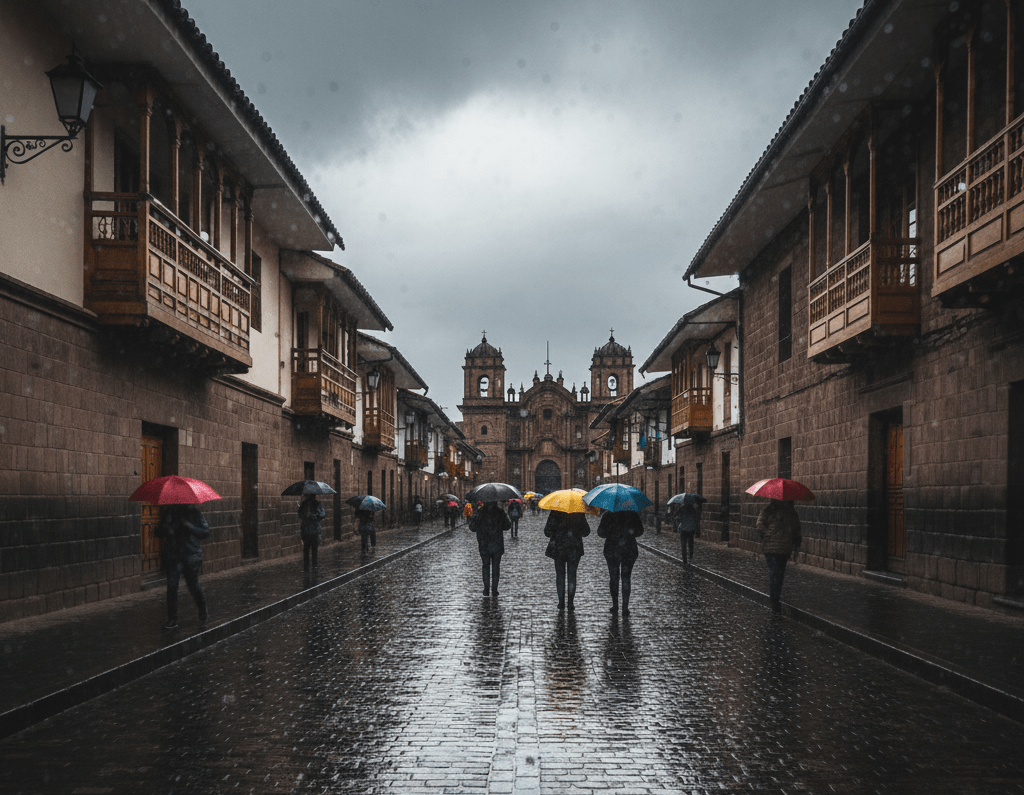
Walking through Cusco in summer is a sensory experience. The cobblestones shine like mirrors, colonial façades are covered in drops that look like diamonds and cafés fill with travelers watching life go by.
Rainy afternoons are perfect for enjoying the city unhurried: visiting museums, taking shelter in a warm restaurant or simply watching the mist wrap the rooftops of the historic center. The smell of roasted coffee and warm bread mixes with the sound of rain on the windows.
And when the sky finally clears, one of the most beautiful sights in the Andes appears: double rainbows stretching from Sacsayhuamán to the Valley. Locals say these rainbows are the paths the gods take to come down and bless the earth.
The rainy season in Cusco also brings a special gift: fewer tourists, lower prices and a calmer atmosphere. It is the perfect time to discover the essence of the place, to chat with people at the market, to try a freshly made tamal or to listen to the stories of local artisans.
Unique experiences in green Cusco
Summer does not stop adventure; it transforms it. Green landscapes, mystical mist and changing skies turn every excursion into a magical experience.
Visiting Machu Picchu at this time is a revelation. The mountains are covered in lush vegetation, flowers bloom along the paths and the mist lifts slowly at dawn, revealing the sacred city as if it were emerging from a dream. Rain is usually brief and passing, leaving fresh air that brings out the colors of the stone and the forest.
In the Sacred Valley, towns come alive at a slower pace. Urubamba holds farmers’ fairs; in Pisac, markets overflow with fruit, native potatoes, herbs and crafts; in Chinchero, looms fill with threads dyed with cochineal, molle and other plants. Everything feels more intense, more alive, more authentic.
For nature lovers, trekking routes such as the short Inca Trail or Rainbow Mountain (Vinicunca) become more challenging but also more beautiful: water runs in the streams, the grasslands glisten and the air carries a scent only the Andean summer can offer.
The cuisine of abundance at Tunupa
Summer is also celebrated at the table. During this season, the fields of Cusco and the Sacred Valley offer an explosion of fresh produce. Seasonal ingredients, tender corn, squash, new potatoes, fava beans and high-Andean fruits, inspire our chefs to create dishes full of color, texture and life.
At Tunupa Cusco, the rain is the perfect backdrop for a sensory experience. The restaurant’s warm lights reflect on the windows, Andean music plays softly and the aromas of freshly served dishes fill the room.
Here, summer is something you taste:
- In a Cusco solterito with fresh cheese and corn.
- In Valley trout with Andean butter and herbs.
- In a quinoa soup that comforts body and soul.
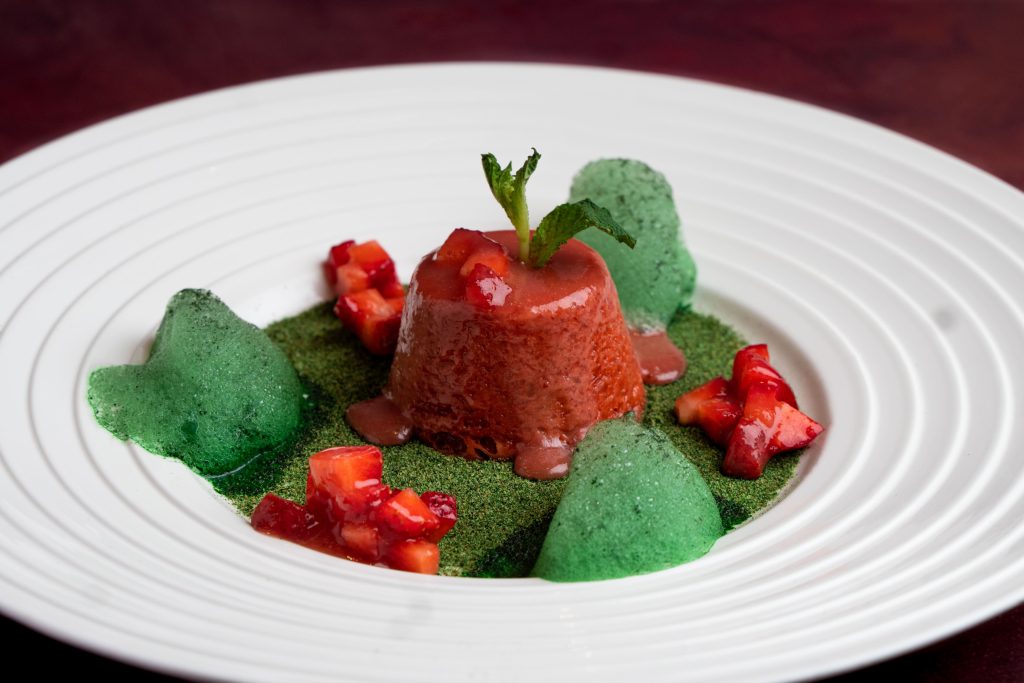
- In a dessert with seasonal fruit and local cacao.
At Tunupa Sacred Valley, summer is lived closer to the earth. From our terrace you can watch the rain fall on the cornfields while the Urubamba River winds between the hills. The sound of water mixes with clinking glasses, and every meal becomes a tribute to the nature around us. Here, luxury is redefined: it is not about excess, but about connection. About feeling that every bite carries history, respect and gratitude. Because true abundance lies not in quantity, but in our bond with the land that feeds us.
Traveling to Cusco in January: tips and charm
Many travelers wonder whether it is a good idea to visit Cusco in summer. The answer is simple: yes, much more than you might think. The rainy season does not stop you from enjoying the destination; it simply invites you to see it differently: slower, more contemplative, more human.
Tips for enjoying Cusco in summer:
- Bring a good rain jacket or poncho. Showers are usually short but intense.
- Plan your excursions for the morning. Rain tends to fall in the afternoon.
- Use cloudy days for photography. Diffused light brings out the colors of the landscape.
- Enjoy the local food. It is the season of fresh produce, ideal for trying traditional dishes.
- Visit lesser-known towns. Yucay, Maras or Calca have a special charm at this time.
- Allow yourself to rest. The rhythm of the rain teaches something essential: sometimes the best thing is to stop and take it all in.
The Cusco summer is also a time of farming festivities. In communities such as Chinchero or Ollantaytambo, offerings of gratitude are made to the Pachamama for the crops. Songs, dances and shared meals show a living relationship with the land, a form of everyday spirituality that remains as strong as it was centuries ago.
During January and February, communities in the Sacred Valley hold ancestral rituals to welcome the rains and offer gratitude to the fertile earth as it begins to sprout.
In some areas the ch’alla is also performed, a ceremony in which the fields are blessed and prosperity for the crops is requested with chicha and flowers. These are moments when Andean people reaffirm their connection with nature and honor the eternal cycle of giving and receiving.
Nature reborn under the Valley sun
When the rain stops and the sun returns, the Sacred Valley becomes a canvas of gold and green. The hills shine, the rivers run strong and the air smells of freshly cut grass. It is nature reborn, a reminder that life always blooms again.
From Tunupa Sacred Valley, the sight is breathtaking. The sky opens with rays of light piercing the clouds, illuminating the farming terraces and the mountains. Birds fly low, farmers wave from the fields and the sound of water accompanies the afternoon.
In those moments, everything seems to align: body, earth and soul. The Cusco summer teaches us to be grateful for the cycles, to value the patience of growth, the strength of small things and the beauty of the fleeting. And when night falls, the sky fills with stars. The rain has cleared the air, and the stars shine with astonishing clarity. Over drinks and conversation, visitors understand what Andean people have always known: that life is an eternal cycle of giving and receiving.
Conclusion: rain as a blessing
Traveling to Cusco in summer means rediscovering the sacred city in its purest form. It means watching nature take center stage, culture lived calmly and the earth renewed. It means understanding that falling water is not an obstacle, but a promise of renewal and life.
At Tunupa, we celebrate this season with gratitude. Because every drop that touches the earth brings life, food and inspiration. Because the landscapes born after the rain are the most beautiful, and the stories told at this time are the most sincere.
The Cusco summer is a reminder of what matters: everything is reborn, everything returns, and in the heart of the Andes, the rain always brings something new to celebrate.
