Published by Team Tunupa / August 27, 2025
Get to know five communities near Cusco. Beyond the colonial squares and stone temples, something beats strongly in the Andes: the Andean communities of Cusco. They are guardians of ancestral knowledge, living customs and a hospitality that is not taught but felt. Visiting these communities is not just tourism: it is an encounter with the heart of the Andes, with a hospitality that is shared rather than learned.
Here are five ways to get closer to the living memory of the Andean world:
1. Misminay
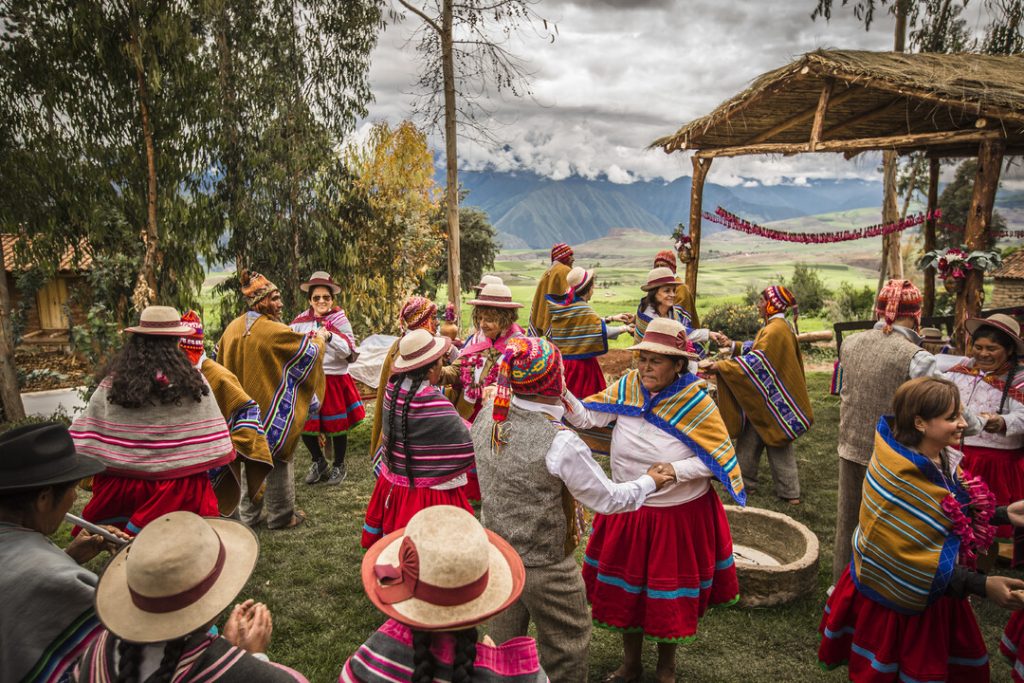
Just 10 minutes from Moray, Misminay opens its doors to those who want to learn from the inside. There, travelers take part in cultural experiences such as preparing Andean dishes, rituals to the Pachamama, traditional weaving and Quechua songs. Its natural viewpoint offers one of the best views of the circular terraces of Moray, the Inca farming laboratories that still amaze the world.
Fun fact: the community keeps terrace farming techniques inherited from the Incas, an art of planting in dialogue with the mountain.
2. Chinchero
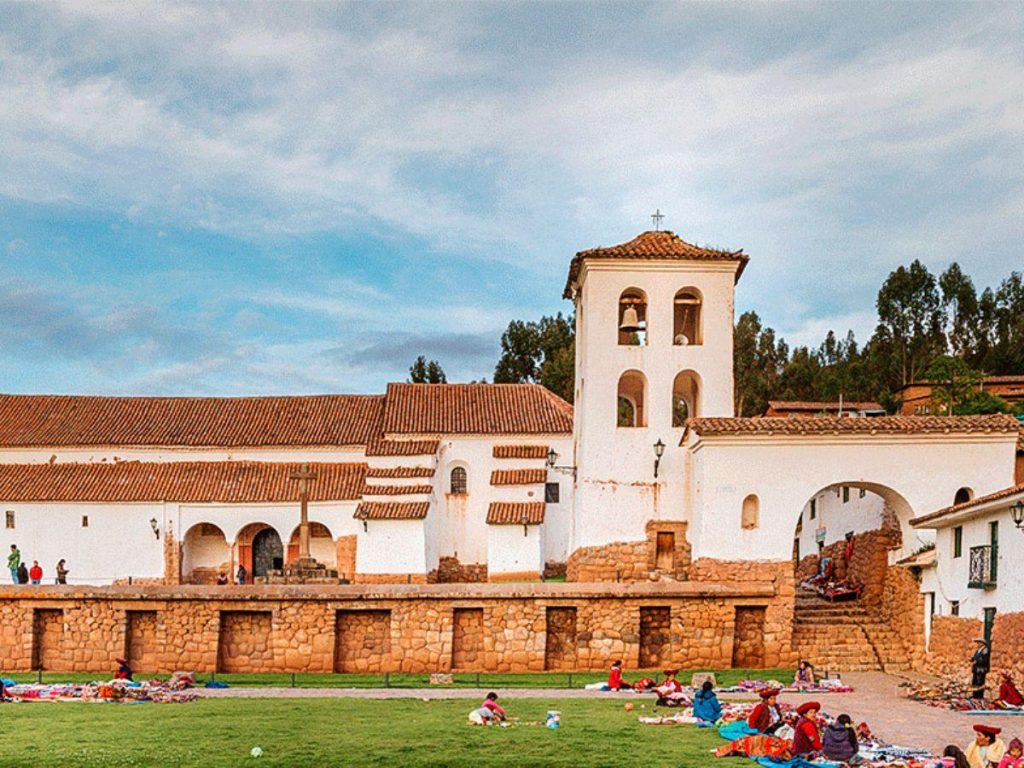
Known for its market and its weavers, Chinchero, another of the communities near Cusco, is also home to a pre-Columbian ceremonial center. Its colonial church was built on ancient Inca walls, and every Sunday the town fills with color and tradition. The women share their mastery at the looms, where threads are dyed with natural colors from corn, cochineal, muña and local plants.
Fun fact: each color is more than pigment: it is a symbol, a memory, a way of speaking to the world.
3. Amaru
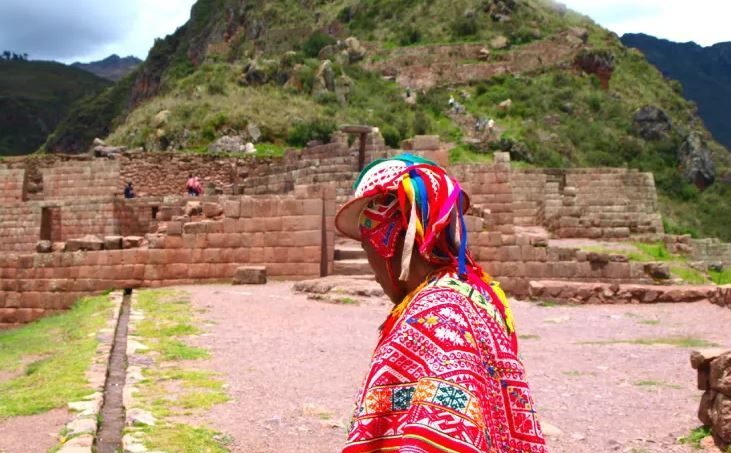
Located between Pisac and the mountain, Amaru is one of the communities near Cusco that lives in close relationship with the land. Here families grow medicinal flowers, prepare community lunches and share their knowledge with visitors.
Fun fact: Amaru means sacred serpent, one of the central symbols of the Andean worldview.
4. Patacancha
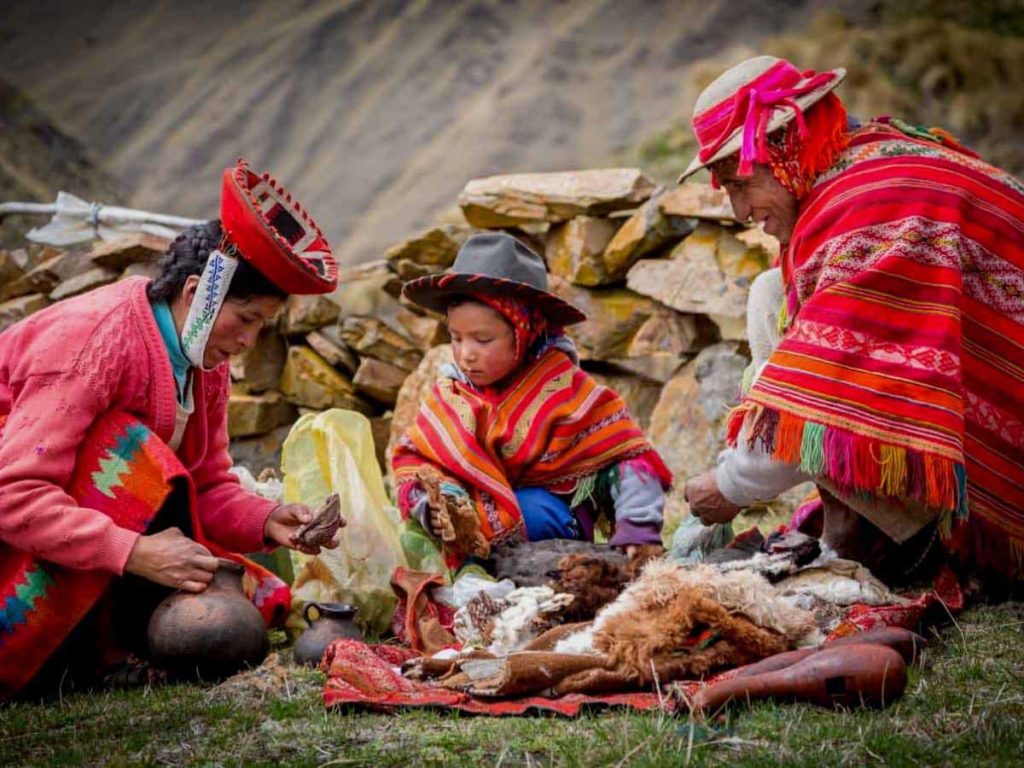
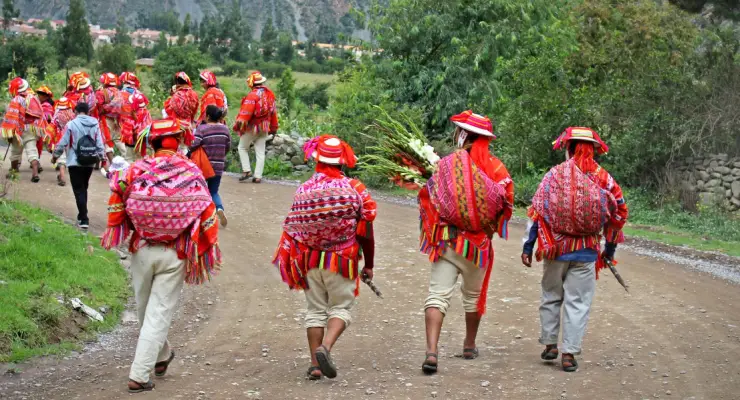
At more than 3,800 meters above sea level, Patacancha withstands time with dignity. The community keeps alive the Quechua language, traditional dress and its communal organization. Weaving is a vital part of its culture, with spiritual meaning in every pattern.
Fun fact: Patacancha textiles have been recognized for their symbolic complexity in museums around the world.
5. Willoq
A neighbor of Patacancha, Willoq has also resisted modernization with wisdom and pride. Its textiles, made with ancestral techniques, its music accompanying every community gathering and its farming rituals tied to the Andean calendar are living celebrations of identity, memory and cultural continuity. In every color, melody and offering, this community reminds us that tradition is not the past, but a present way of keeping the bond with the land and the ancestors.
Fun fact: every family in Willoq teaches children from an early age to spin, plant and cook, ensuring that culture is passed on.
After the encounter, the flavor
If you are wondering what to do near Cusco, start by looking to its communities. There you will discover that true wealth lies not only in archaeological monuments, but also in the wise hands that keep sowing the land, weaving stories into every thread and singing life as their ancestors did. It is an encounter with the authentic, with the living essence of Andean culture, where every smile and every shared tradition connects you deeply with the memory of this sacred land.
And when you return from that transformative experience, let Tunupa complete your day with a lunch full of gratitude, tradition and flavor, where every dish celebrates what you learned and shared in the heart of Cusco, surrounded by unforgettable landscapes.
