Published by Team Tunupa / February 15, 2026
Before there was bread, there was choclo. Long before corn reached Europe, it was already king in these lands. In the Andes it is not just food: it is a symbol of life, fertility, abundance and resilience. Today we find it in traditional dishes, in markets, in offerings to the Pachamama and in every corner of Cusco cooking. But behind every large, tender kernel lie thousands of years of history.
Cusco choclo, with its big, white, sweet kernels, is much more than a side for cheese. It is biological heritage, cultural memory and the backbone of Andean identity.
A story born from the earth
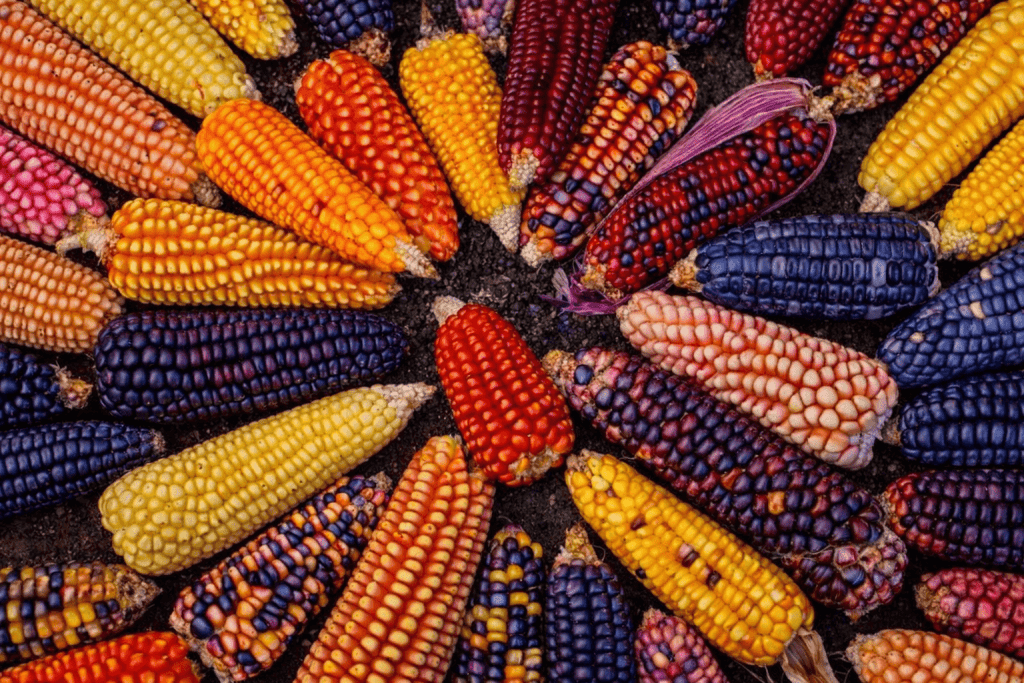
Corn (Zea mays) is native to the Americas, and its domestication dates back more than 7,000 years in what is now Mexico. But it was in the Andes that many varieties developed, adapted to different altitudes, climates and soils. Peru has more than 55 native races of corn, and Cusco grows some of the most prized, such as white-kernel choclo, purple corn and the giant corn of the Sacred Valley.
For pre-Inca and Inca cultures, choclo was more than a source of food: it was a sacred plant. It was used in ceremonies, rituals, offerings and harvest celebrations. It was depicted in textiles, ceramics and temples. It was the bridge between the earth and the gods.
Fun fact: in Inca iconography, corn often appears next to the sun, as a symbol of fertility blessed by the Inti.
Cusco choclo: a genetic jewel
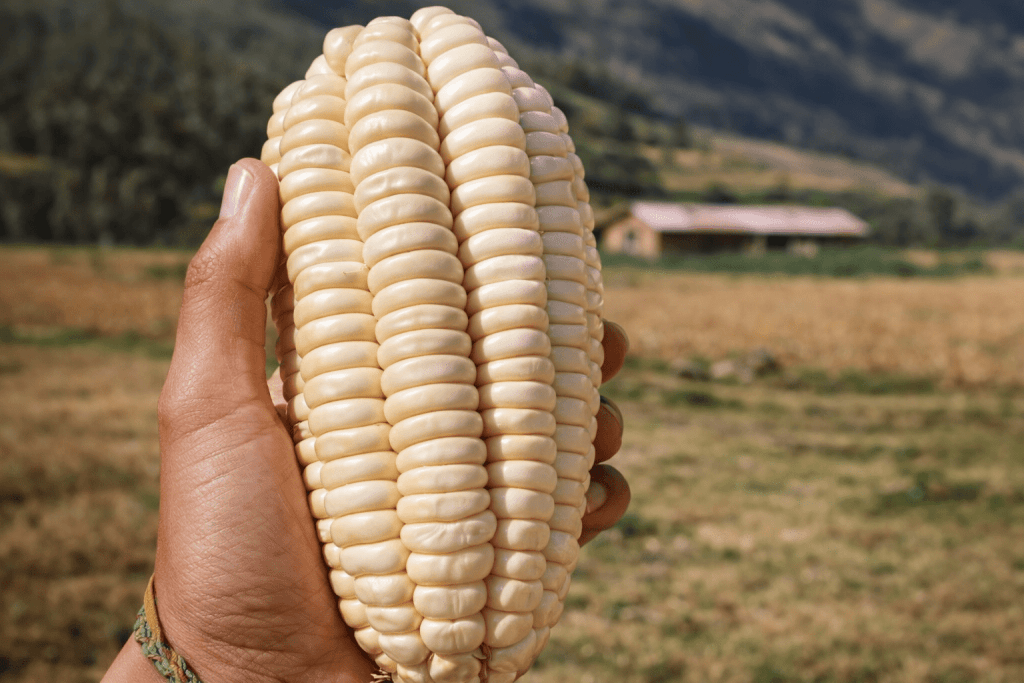
The choclo you find in Cusco is not just any corn. Cusco choclo, also known as the “giant white corn of Cusco,” is a variety unique in the world. Its kernels are larger, more tender and sweeter than those of regular corn, and it has been recognized with a Peruvian designation of origin because of its uniqueness and its bond with the land.
It is grown mainly in the Sacred Valley, in districts such as Calca, Pisac, Lamay and Urubamba, where the microclimate, the altitude and traditional farming practices allow this variety to thrive. Its cultivation is closely tied to the lunar cycles and the Andean farming calendar.
From field to kitchen: a living chain
Choclo is planted between September and November and harvested from March to June. It is still grown mostly by families, by hand, following ancestral knowledge. Farming families harvest it by hand, shell it patiently, dry it in the sun or sell it fresh in local markets.
At Cusco’s fairs and markets, fresh choclo is sold wrapped in its husks with a piece of fresh cheese. It is the quintessential Andean breakfast, the perfect snack and the simplest, tastiest starter for locals and visitors alike.
Choclo in Cusco cuisine
In Andean cooking, choclo is versatile, nutritious and deeply symbolic. It appears in soups, stews, tamales, desserts, drinks and even as an offering in rituals.
Some dishes where choclo shines:
- Choclo con queso: the classic. Just boiled corn, salt and fresh farmhouse cheese. Nothing else needed.
- Chupe de maíz: a creamy soup of ground corn, milk, potatoes, huacatay and sometimes a poached egg.
- Sweet and savory humitas: made from ground corn, wrapped in its own husks and steamed.
- Pesque or lawa de maíz: a thick corn purée served alongside traditional dishes.
- Quinua atamalada with choclo: a blend of two Andean superfoods.
- Chicha de jora and chicha morada: although made from fermented or purple corn, they share the same mother plant.
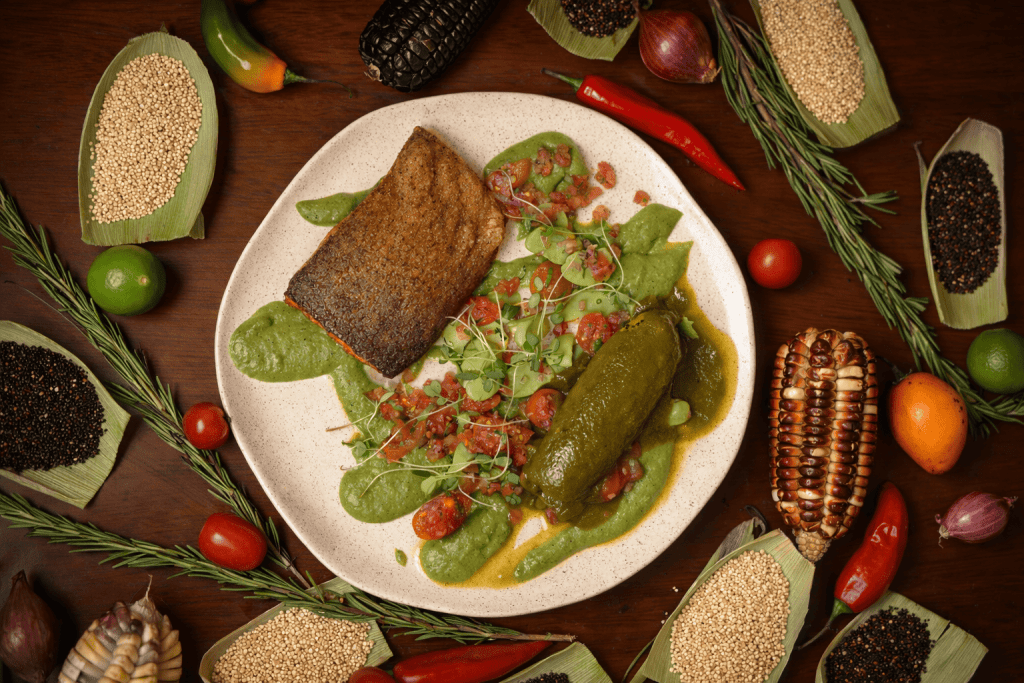
And of course, at Tunupa, choclo is not just another ingredient. It stars in many of our dishes, from light starters to sides that honor the balance of flavor, texture and tradition.
A symbol at festivals and rituals
During the main celebrations of the Andean calendar, such as Inti Raymi, the Cusco Carnival or the Virgen del Carmen festival, choclo is always there. It is part of the offerings, it is served at community lunches and it is shared as a sign of abundance.
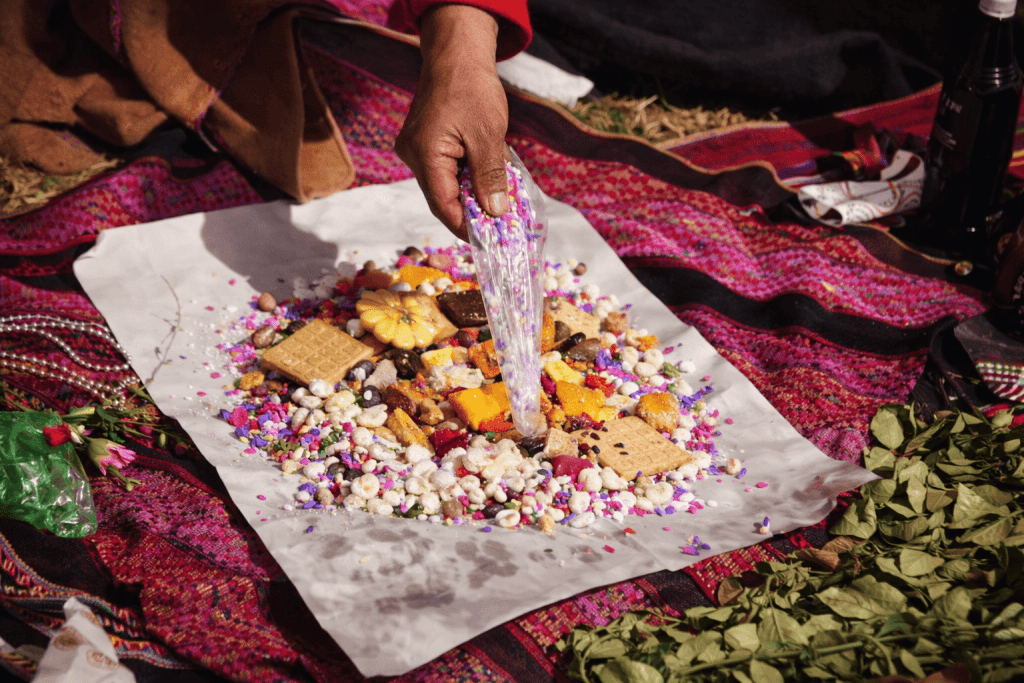
It is also common in earth offering rituals to the Pachamama, where it is offered with coca leaves, chicha and flowers. Its presence in these acts reaffirms its sacred value.
What choclo stands for today
At a time when globalization has made flavors and products more uniform, Cusco choclo remains an emblem of identity, resilience and authentic taste. It belongs to a cuisine that does not only feed, but tells who we are, where we come from and how we respect what we eat.
And thanks to the work of cooks, researchers and communities, choclo is being rediscovered in contemporary cuisine today. Its nutritional value, its biodiversity and, above all, its spiritual connection with the earth are being recognized.
Where to taste and buy authentic choclo in Cusco
- San Pedro Market: ideal for trying it with cheese in an authentic setting.
- Producer fairs in Pisac and Urubamba: where you can buy it straight from the farmer.
- Tunupa Restaurant (Plaza de Armas or Sacred Valley): where you will see it turned into culinary art.
Tunupa: a table where choclo has a soul
At Tunupa Cusco, we do not serve choclo just for its flavor. We choose it for what it represents: the connection between the earth and the kitchen, between ritual and everyday life.
Every time we serve a dish with choclo, we are telling a story. A story planted thousands of years ago that lives on in every bite. Paired with music, landscape and Andean hospitality, this ingredient takes on an even deeper meaning.
Because at Tunupa, eating is also remembering, giving thanks and celebrating.
Conclusion: a heritage you can taste
Choclo is not just part of the Andean menu: it is its backbone. It is seed, sustenance and symbol. And in Cusco, its presence stands as firm as the sun that nourishes it.
Visiting this land without tasting it means leaving out a vital part of the experience.
Because choclo is not just eaten. It is honored.
