Published by Team Tunupa / May 21, 2026
Long before the world called them superfoods, quinoa, kiwicha, tarwi and cañihua were already feeding Andean peoples. They grow where few crops survive: in poor soils, with frost and intense sun. And yet they offer protein, minerals and a flavor that has won over kitchens around the world.
Get to know them and discover how they are enjoyed in Cusco.
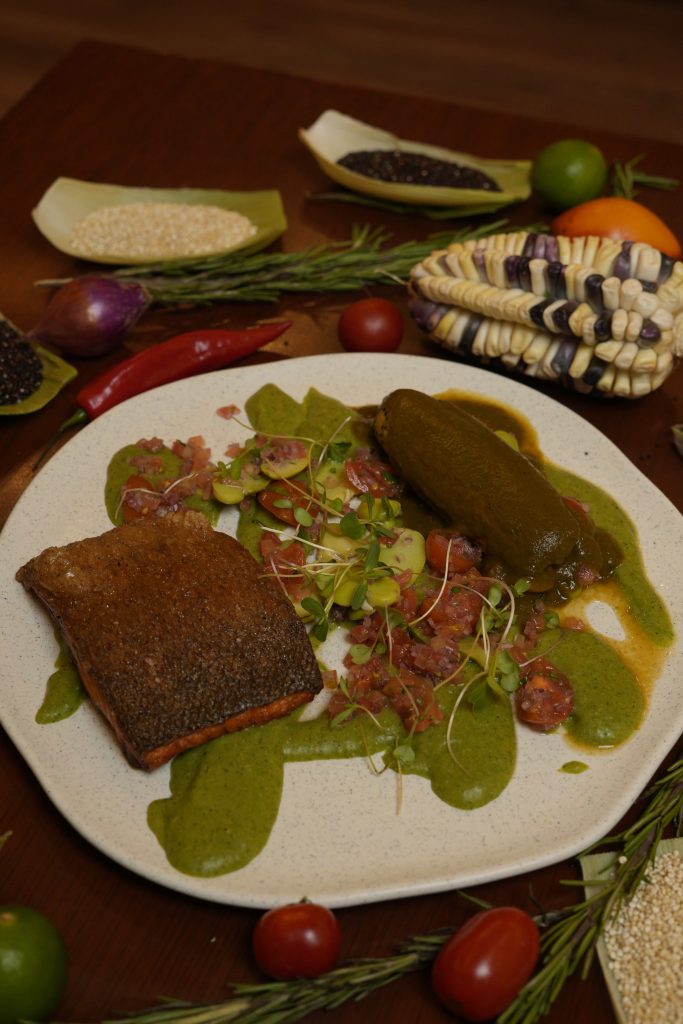
Quinoa: the mother grain
The Incas called it chisiya mama, the mother of all grains. Quinoa is rich in high-quality protein and is gluten-free. There are white, red and black varieties, each with its own texture.
In Cusco cooking it appears in soups, in quinua atamalada, in creamy stews with cheese and in desserts. In 2013, the FAO declared the International Year of Quinoa, recognizing its value for food security.
Kiwicha: small and mighty
Kiwicha is an Andean amaranth with tiny seeds and brightly colored flowers. It is eaten popped, like tiny popcorn, in nougats, bars, porridges and drinks.
It is a source of calcium and iron, and for centuries it was a key food in the highlands.

Tarwi: the legume of the Andes
Tarwi, also called chocho, is a legume with a very high protein content. Before eating it, its bitterness must be removed by soaking and rinsing it in water for several days.
Once ready, it is used in salads, creamy soups and the popular chocho ceviche, fresh and crunchy.
Cañihua: the high-altitude survivor
A relative of quinoa, cañihua grows at great altitude, where almost nothing else thrives. Its grains are toasted and ground into cañihuaco, a flour mixed with milk or hot water for energizing breakfasts.
Andean grains at Tunupa
At Tunupa we work quinoa and other Andean products into starters, sides and mains, combining tradition with contemporary techniques. On our buffet and à la carte menu you will find dishes that bring out the best of these ingredients.
If you have any dietary restrictions, our team will help you choose the right dishes.
Conclusion: wisdom that nourishes
Andean grains are the result of thousands of years of farming knowledge. Tasting them in Cusco connects you with a way of eating that respects the land and makes the most of it.
Small in size, huge in history.
