Published by Team Tunupa / August 27, 2025
The mountains of Cusco are not just natural scenery. They are sacred beings, guardian spirits called Apus. These protectors of Andean peoples set the pulse of life, planting, harvest and celebration. Over the centuries they have guided ceremonies, inspired legends and shaped the identity of the Quechua world. Each holds a myth, a power and a unique energy. Visiting them is not only admiring beauty: it is listening to the language of the earth and coming closer to the Andean worldview.
Here are some of the most sacred and essential mountains of Cusco that every traveler should know when exploring the region and reaching the heart of the Quechua world.
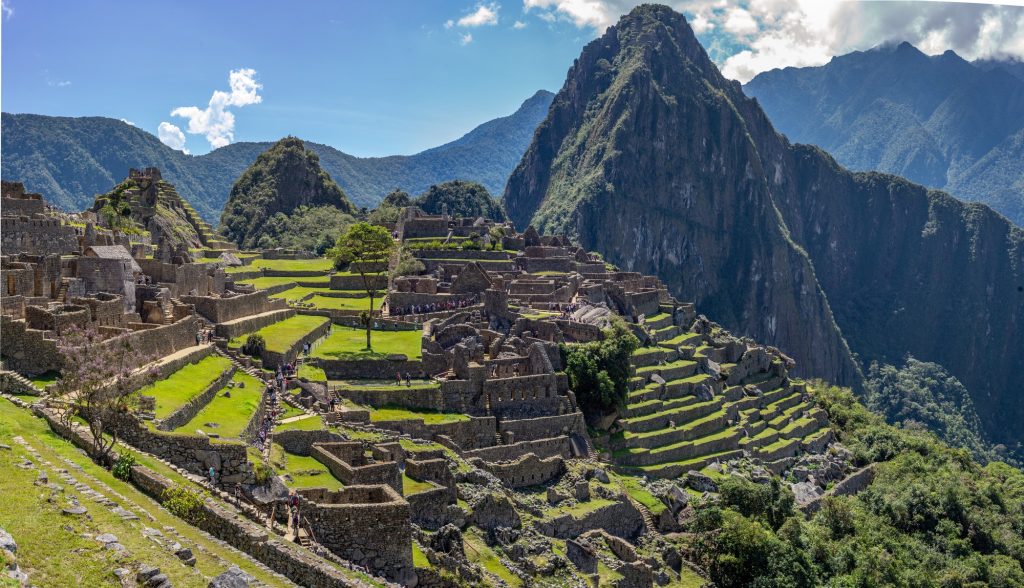
1. Machu Picchu and Huayna Picchu
Visiting Machu Picchu means immersing yourself in an Inca sanctuary built with astronomical and spiritual precision. Embraced by the Urubamba River, its stones converse with the sun, the stars and the nearby Apus. Its location is no accident: it is part of a network of energy connected to other sacred mountains. Facing it rises Huayna Picchu, which offers a privileged view of the sanctuary. It is said to have been a ceremonial place reserved for priests and spiritual guardians.
Fun fact: in Quechua, “Machu Picchu” means old mountain, while “Huayna Picchu” means young mountain.
2. Vinicunca, Rainbow Mountain
Also known as the Mountain of Seven Colors, it looks as if the gods themselves had painted it. Vinicunca went viral for its unreal beauty. But beyond its colors, the result of mineral sediments such as iron and copper, this mountain is part of the Apu Ausangate range, which gives it a deeply spiritual character.
Fun fact: for centuries it was covered in snow, and its natural colors only became widely visible in the last decade as the glaciers melted.

3. Ausangate, the supreme Apu
At 6,384 meters above sea level, Apu Ausangate is the lord of the mountains. It is considered a major Apu and one of the most powerful in Cusco. Every year, thousands of pilgrims reach its slopes for Qoyllur Rit’i, an ancestral festival celebrating the union between the Andes and the starry sky.
Fun fact: in the Andean worldview, Ausangate provides water, food and life. It is considered the brother of Salkantay; together they represent the balance of sacred forces.

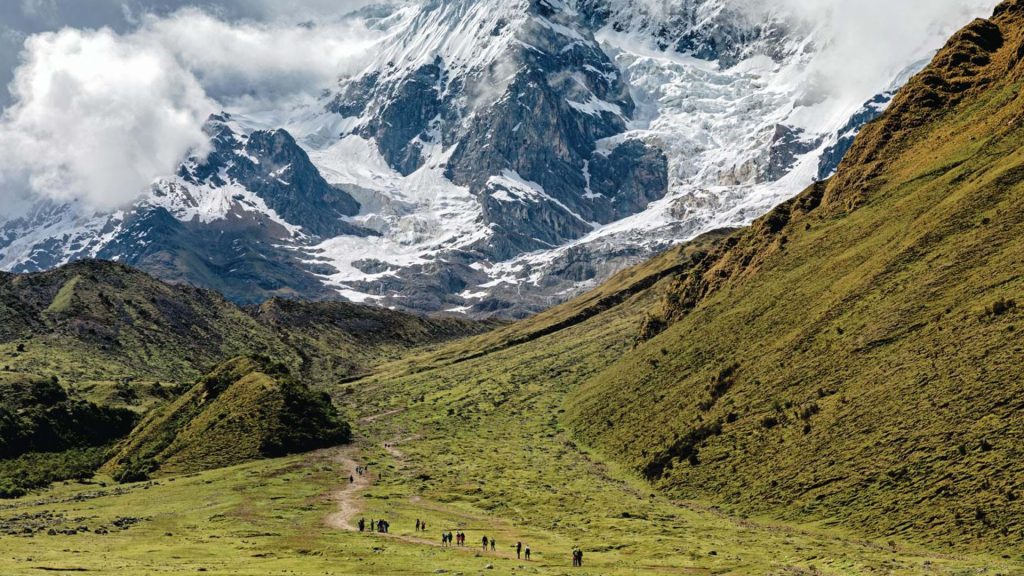
4. Salkantay, guardian of the trail
Salkantay (6,271 m) is an imposing snowcapped peak and one of the main energy points of the southern Andes. Its name means wild or untamed mountain. It is part of the network of routes to Machu Picchu, and the Salkantay Trek is one of the most popular alternative hikes.
Fun fact: it is said to embody the masculine force that complements the life force of Ausangate.
5. Putucusi, the secret facing Machu Picchu
Putucusi is one of the lesser-known mountains of Cusco, facing Machu Picchu; its name means happy mountain. Access is more demanding, but from the top you get one of the best views of the sanctuary.
Fun fact: Putucusi was considered a ceremonial and energetic place by local communities before the Spanish arrived.
A closing tribute to the Apus
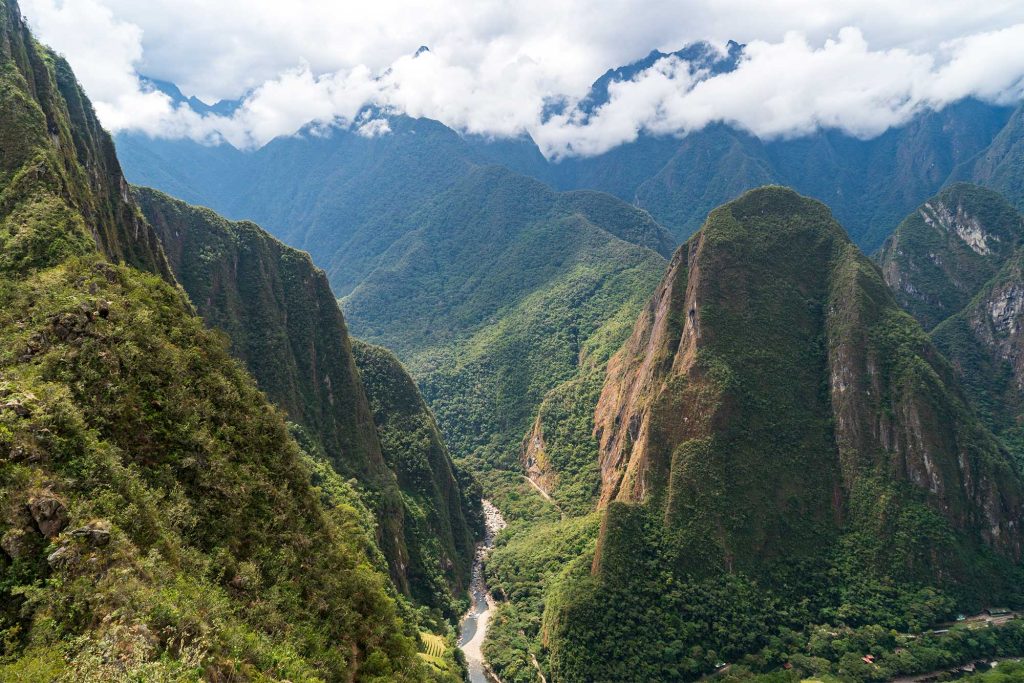
Exploring the mountains of Cusco means feeling the pulse of the earth and the echo of history. Each Apu holds a myth, a lesson and a living spirit. And after your journey, Tunupa awaits with a tribute in every dish: sacred ingredients, ancestral flavors and a view that also honors the Apus.
