Published by Team Tunupa / November 25, 2025
The month of gratitude and memory
November in Cusco has a different light. The mountains seem to breathe more calmly, and the golden sun that embraces the Inca stones lights up the days the people devote to celebrating memory and life. It is a month when the sound of the Creole cajón blends with the murmur of the quena, when the streets fill with sweet aromas and families prepare offerings that travel between worlds, this life and the next.
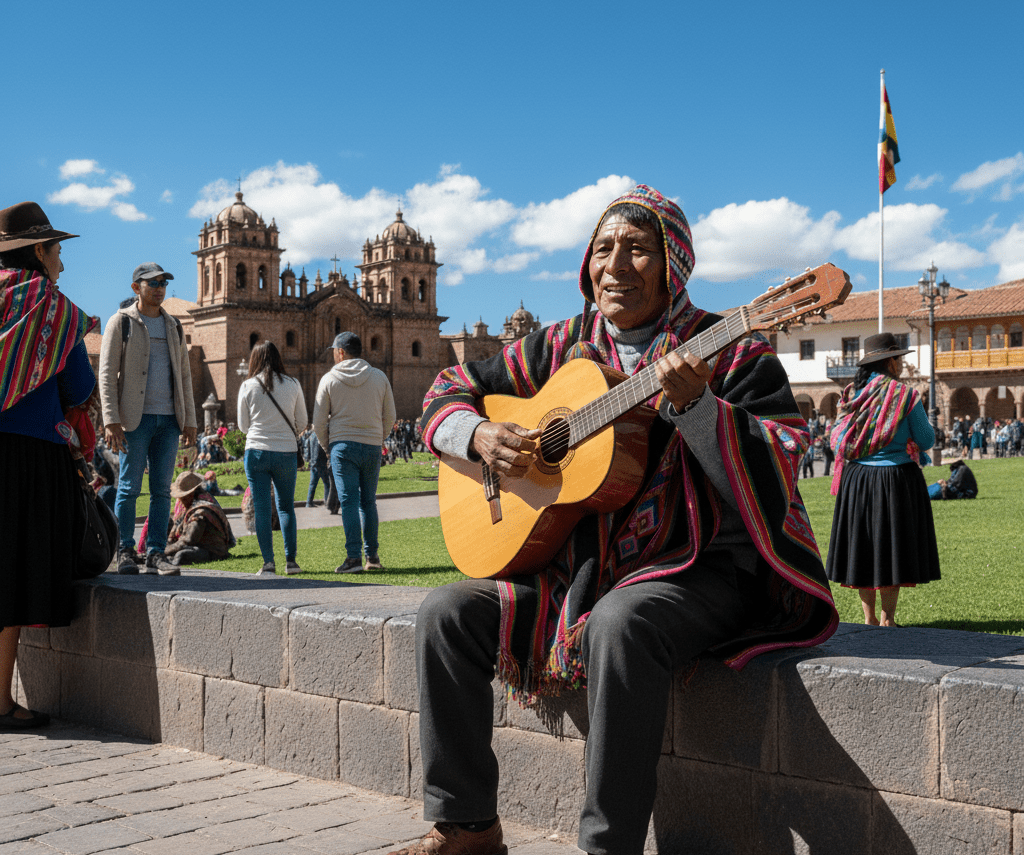
Every October 31, Peru pays tribute to its musical soul with Creole Song Day, a date that celebrates the waltzes, marineras and festejos at the heart of Peruvian culture. In Cusco, this celebration shines differently: Creole notes rise among the mountains, cajones converse with Andean drums and the echo of guitars merges with the voice of the wind.
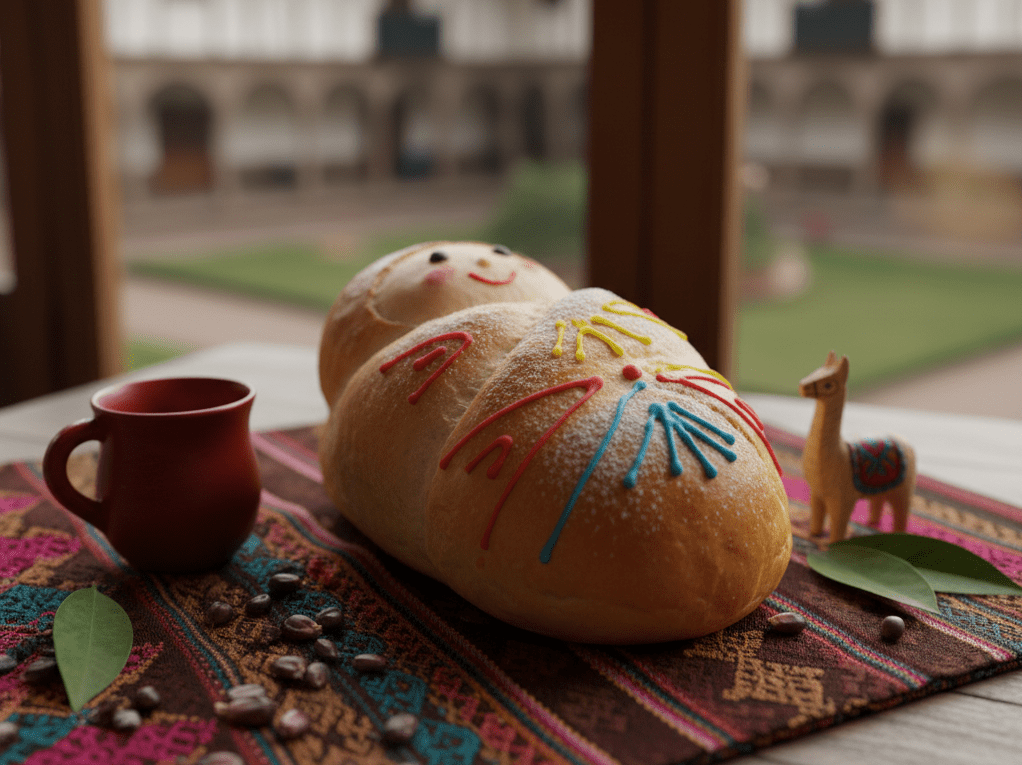
The next day, November 1, comes All Saints’ Day, a deeply Cusco tradition that unites generations. Families visit cemeteries, bring flowers and offerings, and prepare t’anta wawa, breads shaped like children and horses, symbols of life and memory. Those who have passed are remembered, but with joy and gratitude, with generous meals and drinks that accompany memories with affection.
At Tunupa, these dates are lived as a single song: a symphony of earth, fire and soul. Because that is Cusco, a city where every celebration is a way of giving thanks.
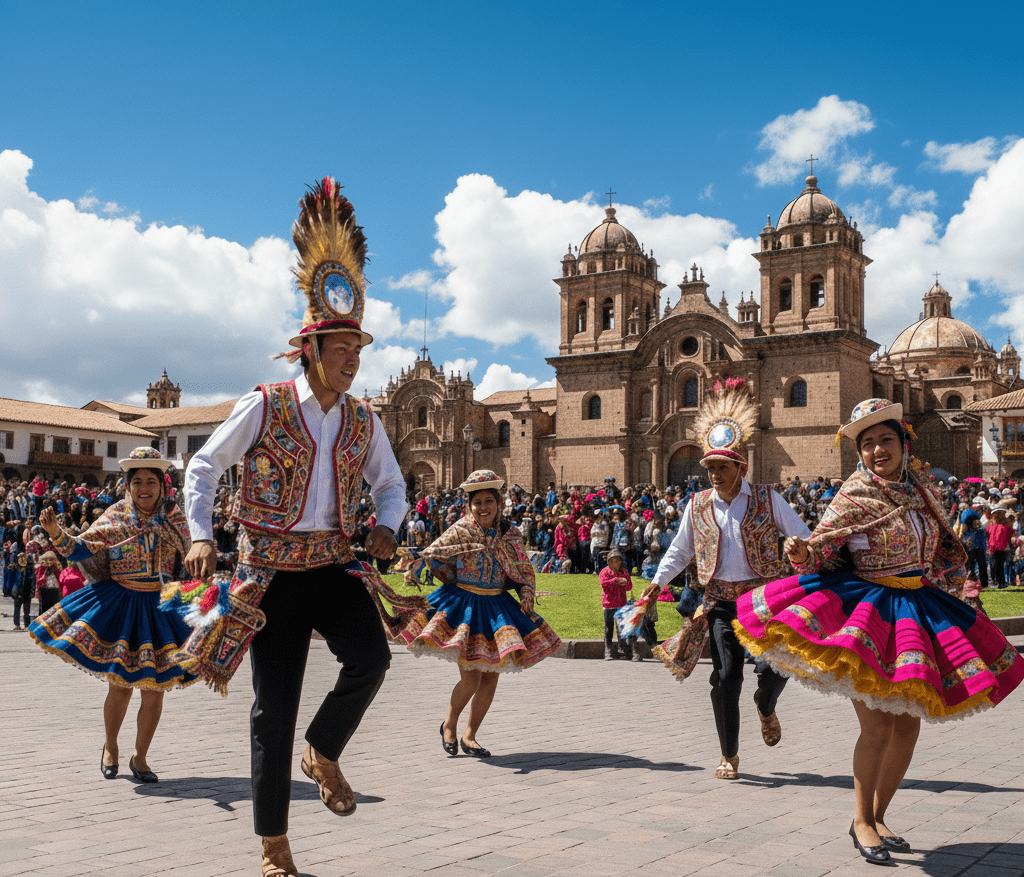
Between guitars and Apus: the sound of November in Cusco
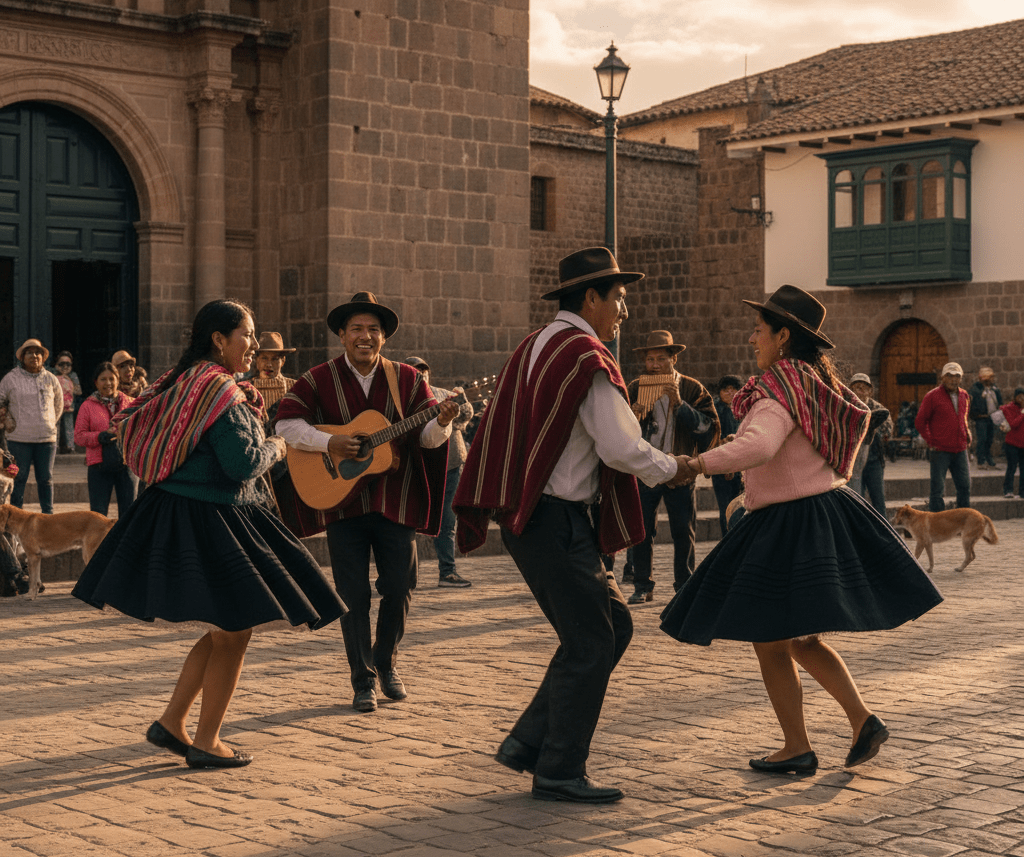
When Creole Song Day arrives in Cusco, the city fills with rhythm. Colonial balconies are decorated with flags, musicians tune their guitars in the squares and the air vibrates with waltzes and huaynos. On street corners, troubadours sing of love and nostalgia; in bars, travelers catch the festive spirit; at home, people toast, dance and sing.
Creole music, born on the coast, finds a new echo in Cusco: it becomes mestizo, joins hands with the huayno and gains a depth only the Andes can give it. It is the voice of all of Peru, resonating among the stones of Qorikancha and the shadows of Sacsayhuamán.
But music is not only heard; it is felt. Every chord holds a story, every song a journey and every voice a heritage that lives on.
Pan wawa and lechón: flavors that taste like home
On November 1, from the early hours, Cusco’s streets smell of sweet bread, anise and old ovens. In every home, the pan wawa, the bread shaped like a child, waits on the table covered in colors and sugar. Beside it, bread horses represent life’s journeys and paths. Both are more than food: they are messages of love and memory passed across generations.
During All Saints’ Day, Cusco cooking becomes a spiritual language. Oven-roasted suckling pig, slowly browned until its skin crackles like a melody, represents abundance. Tamales accompany family conversations, while white corn and anise blend in traditional drinks that comfort the soul.
In the markets, color takes center stage: the reds of dried chilies, the yellows of corn, the browns of bread fresh from the oven. Cusco becomes an altar of aromas and flavors, where every ingredient has a purpose: to remember, to give thanks and to share.
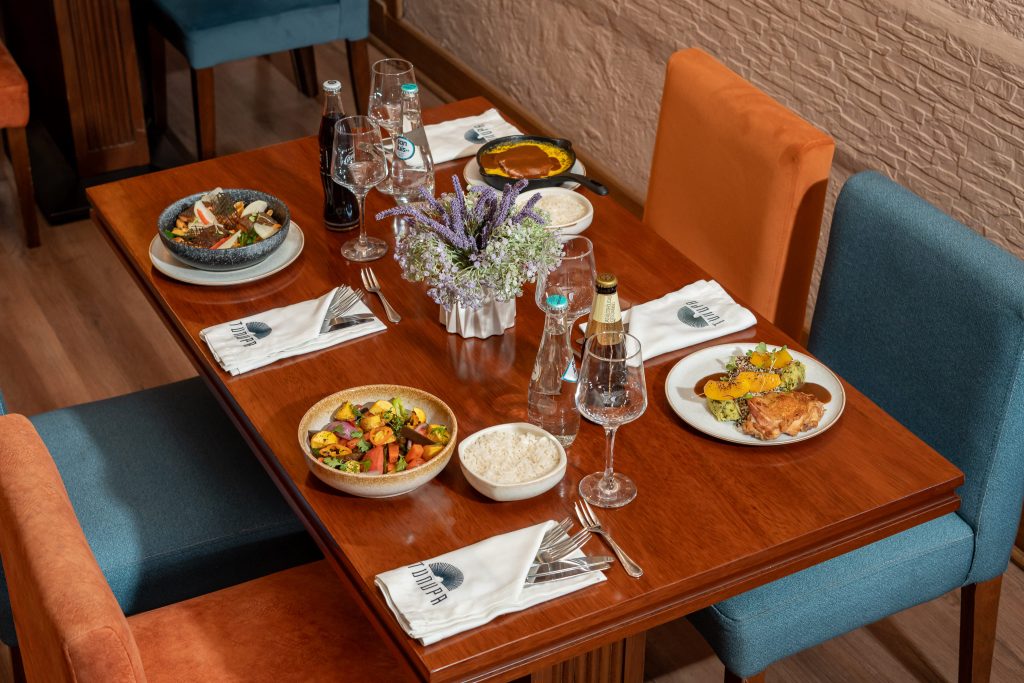
Tunupa: where tradition is celebrated in every dish
At Tunupa, we honor these dates true to ourselves, following what we have done as people of Cusco for generations: with respect, joy and soul. Our menu is inspired by the rituals that give life to Andean culture, by the ingredients born from the fertile land of the Sacred Valley and by the hands that turn them into sensory experiences.
Corn, a symbol of abundance, becomes smooth creams and golden breads. Lechón is prepared with patience and care, seasoned with local herbs and served with native potatoes.
Creole music plays in the background and warm lights illuminate the tables. Every dish is a story. A conversation between past and present, between the Pachamama and those who honor her.
Celebrating All Saints’ Day at Tunupa is celebrating life itself, from the Andean soul to the shared smile.
All Saints’ Day: a table that joins heaven and earth
In Cusco, the table is an altar.
On All Saints’ Day, families gather around offerings that symbolize the cycle of life: breads, fruit, flowers, coca and candles. Homes fill with soft conversation, laughter and memories. Children listen to their grandparents’ stories, and grandparents proudly repeat the traditions they inherited from their elders.
Food is not just nourishment: it is a way of communicating with those who have passed. Pan wawa is shared among family, but it is also placed on the altar. Lechón is enjoyed with gratitude, and its aroma reminds us that everything we have comes from the earth, from work and from shared love.
Tunupa, as a guardian of Andean traditions, celebrates this meeting of worlds. Here, food becomes a bridge between past and present, between the Apus watching from above and the families celebrating in the valley.
Creole music and the spirit of Cusco
Creole Song Day is not only a tribute to Peruvian art; in Cusco, it is a reaffirmation of identity. The notes of traditional waltzes mix with the rhythms of the charango and quena, creating a symphony only the Andes can offer.
At Tunupa Cusco, we celebrate this fusion with live music, dancing and joy. Our guests, locals and visitors alike, discover in every chord a part of Peru that is never forgotten: the one that sings, shares and lives on.
Just as the marinera has a coastal soul, the huayno carries the soul of the highlands. But both share the same heart: that of the Peruvian people, who find in music a way to give thanks for life and keep their collective memory alive.
A celebration that lives on under the Valley sun
When the sun of Taita Inti lights up the Sacred Valley, the celebration spreads beyond the city.
At Tunupa Sacred Valley, the green, fertile land becomes the stage for a complete sensory experience. The sound of the Vilcanota River, birdsong and the aroma of toasted corn accompany a table where life and memory are honored.
Here, the oven fire recalls the energy of the sun; corn, the generosity of the earth; and hospitality, the essence of the people of Cusco. Under the golden rays of sunset, guests share a toast to life, to memories and to the paths still ahead.
Celebrating Creole Song Day and All Saints’ Day in Cusco means embracing the fusion of Andean and coastal culture. It means singing, eating, remembering and feeling. It means understanding that traditions do not die: they bloom at every table, in every dish, in every note. And as long as there are places like Tunupa, where the soul of Cusco is served in every experience, the story will keep being told, warm and bright, under the sun of our mountains.
Conclusion
Creole Song Day and All Saints’ Day in Cusco are more than celebrations: they reflect the soul of a people who give thanks, share and celebrate life. At Tunupa, both dates remind us why we exist: to be guardians of what brings people together, of what gives meaning to time and flavor to memory. Because every song, every loaf of bread and every smile at the table is a way of keeping alive the heritage the earth gave us.

