Published by Team Tunupa / April 23, 2026
Yellow, purple, pink, long, round, deep-eyed or smooth-skinned. In any Cusco market, potatoes come in shapes and colors that surprise first-time visitors. It is no accident: the Peruvian Andes are the birthplace of the potato and hold one of the greatest varieties in the world.
Here is its story and how to enjoy it at the Cusco table.

The birthplace of the potato
The potato was domesticated thousands of years ago in the southern Andes of Peru, around Lake Titicaca. From there it became the foundation of Andean diets and, centuries later, traveled to Europe and the rest of the world.
Today Peru records thousands of native varieties, many grown only by high-altitude communities that pass them down from generation to generation. Peru celebrates National Potato Day on May 30.
Some varieties worth knowing
- Papa amarilla: floury and flavorful, ideal for purées, causa and papa a la huancaína.
- Huayro: reddish-skinned, perfect for soups and stews.
- Peruanita: small, yellow and red, prized for its flavor.
- Colored potatoes: purple or with marbled flesh, eye-catching in salads and starters.
Chuño and moraya: potatoes that defy time
On the freezing nights of June and July, high-altitude communities leave potatoes outdoors to freeze. Then they tread on them to squeeze out the water and dry them in the sun. That is how chuño is made, a food that can be stored for years.
Moraya, or tunta, is a white version made by soaking the potatoes in running water. Both are key ingredients in Andean soups and stews.
Huatia: cooking with the earth
During the harvest, between April and June, families in the Cusco countryside build a huatia: an oven made of clods of earth heated with firewood until they glow. The potatoes are buried among the hot clods and cook slowly.
The result is a smoky potato with a perfect texture, eaten with fresh cheese, chili and uchucuta sauce. It is one of the most authentic experiences of Andean rural life.
Potatoes at the Tunupa table
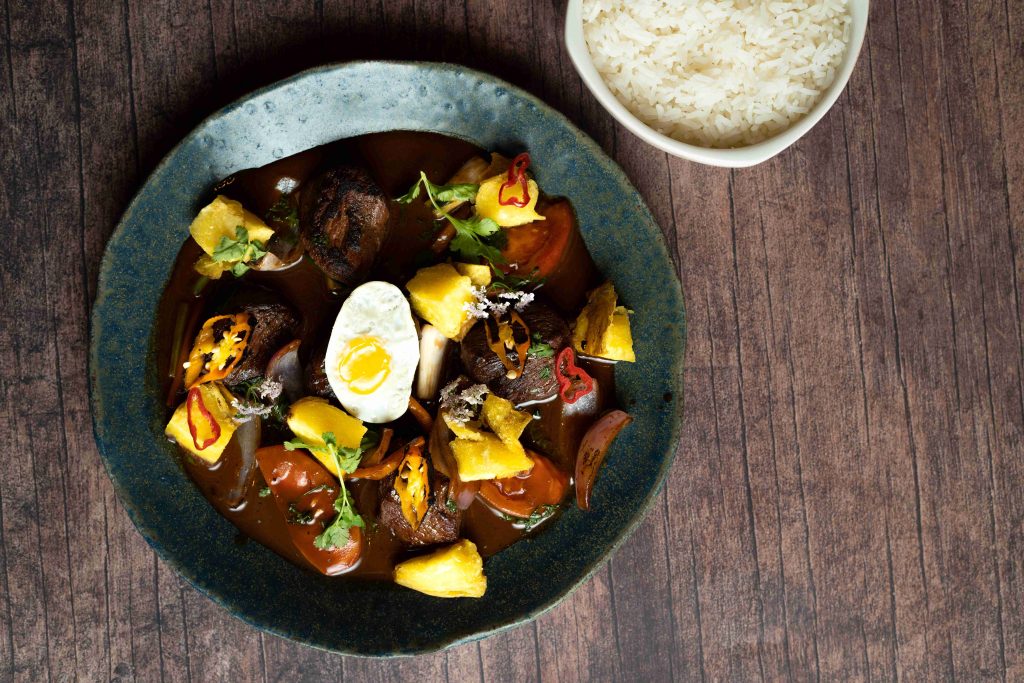
At Tunupa, native potatoes appear in many of our dishes: in sides, starters and traditional recipes that respect their flavor. We work with regional produce so every bite tells you where it comes from.
If you want to get to know them up close, potatoes are the stars of our cooking classes and of the pachamanca at Tunupa Sacred Valley.
Conclusion: a treasure you can eat
Every native potato is the result of thousands of years of farming work. Tasting them in Cusco is a simple and delicious way to understand the richness of the Andes.
Next time you see a purple potato on your plate, remember: you are eating history.
